
Holger the Dane
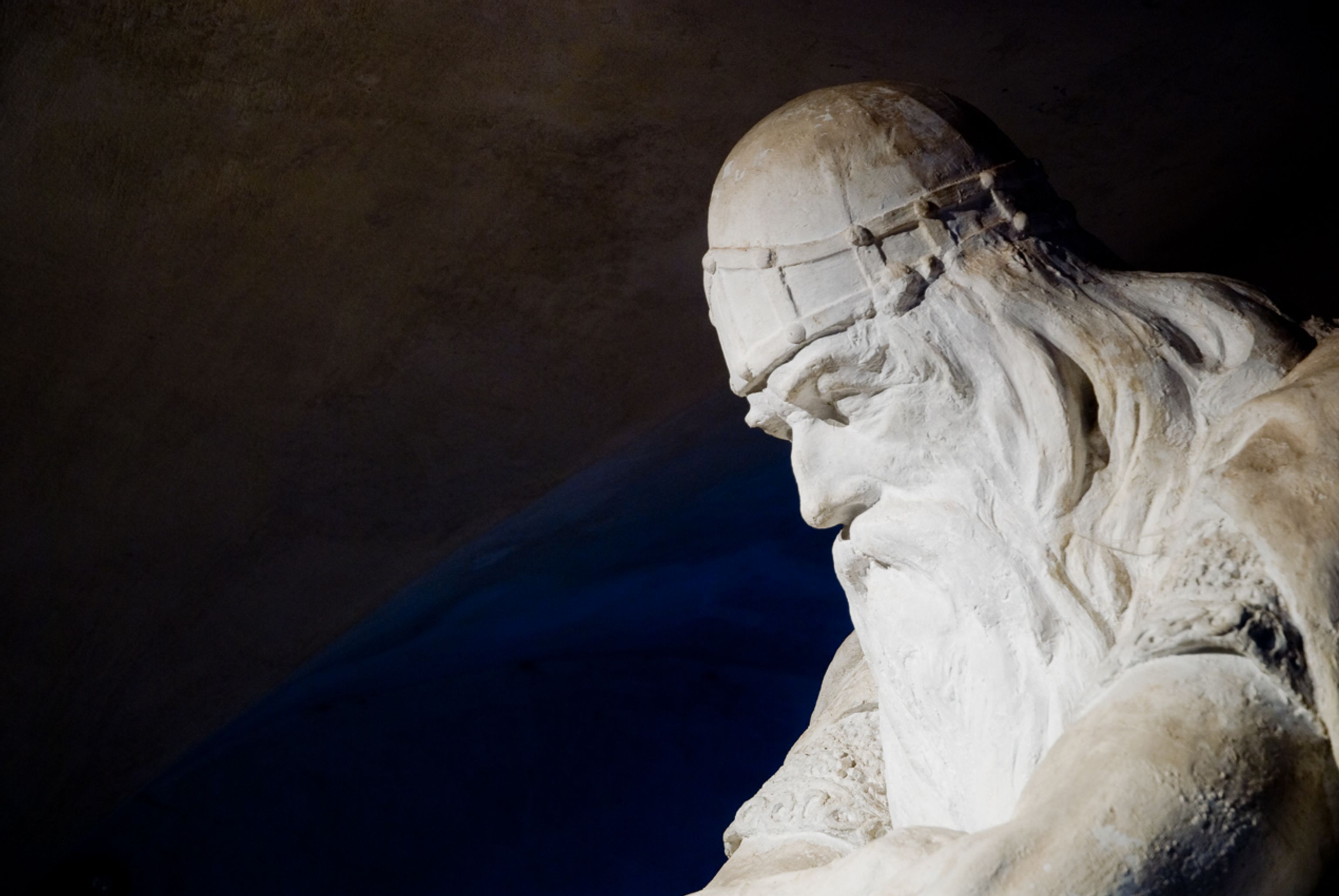
- Statue from 1907
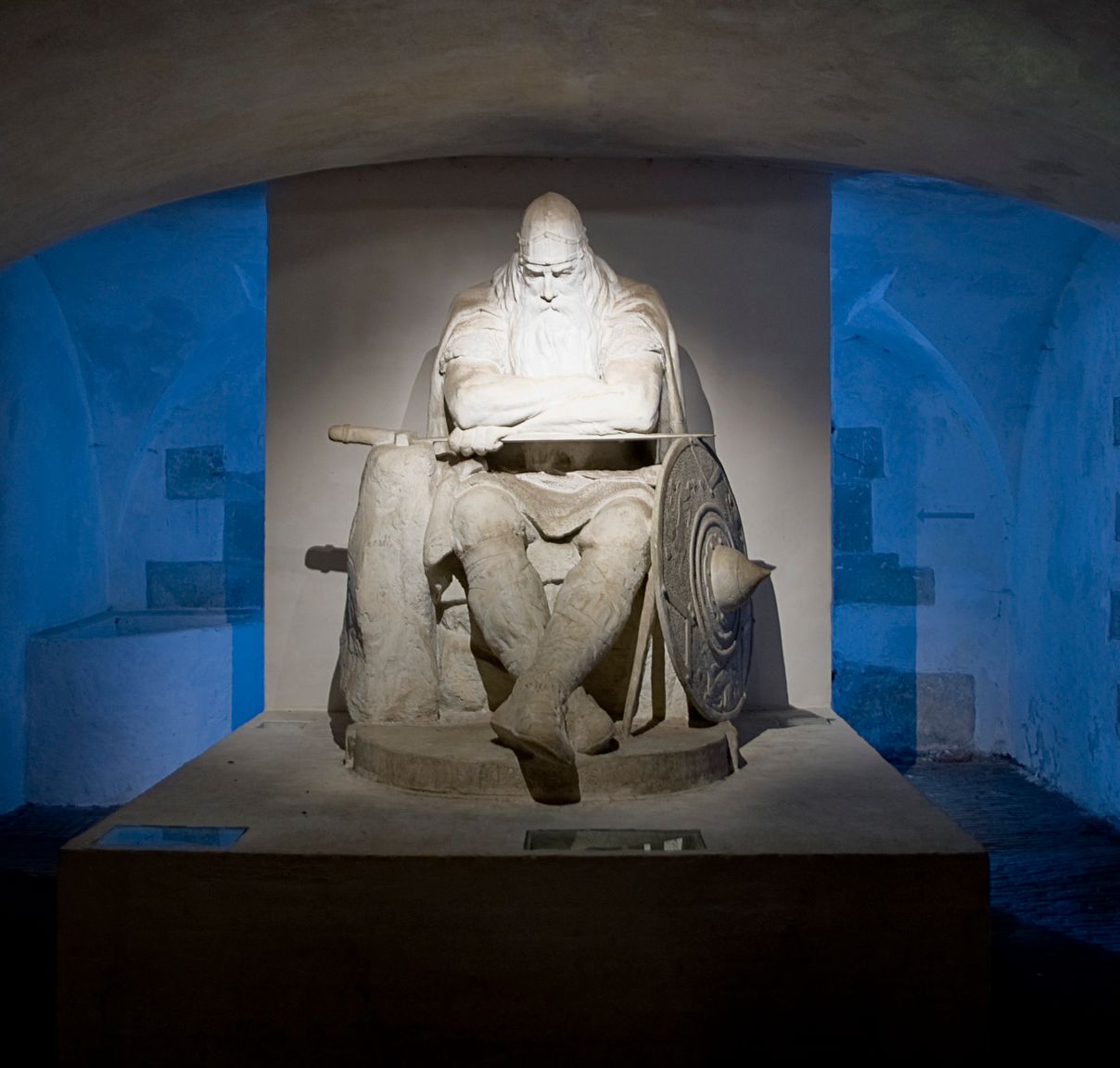
- The statue you can find beneath Kronborg is a casting of the original bronze statue made by the sculptor H. P. Pedersen-Dan in 1907.
- The legend
- The myth of Holger Danske can be traced back to the French epic poem, La Chanson de Roland, from 1060.
Holger the Dane rests in the casemates, silent and still like a statue. According to legend, this mighty warrior will awaken when Denmark is in its darkest hour. Until then, he remains peacefully asleep. Here, you can learn about the story behind this iconic figure.
Holger the Dane today
Find him in the casemates
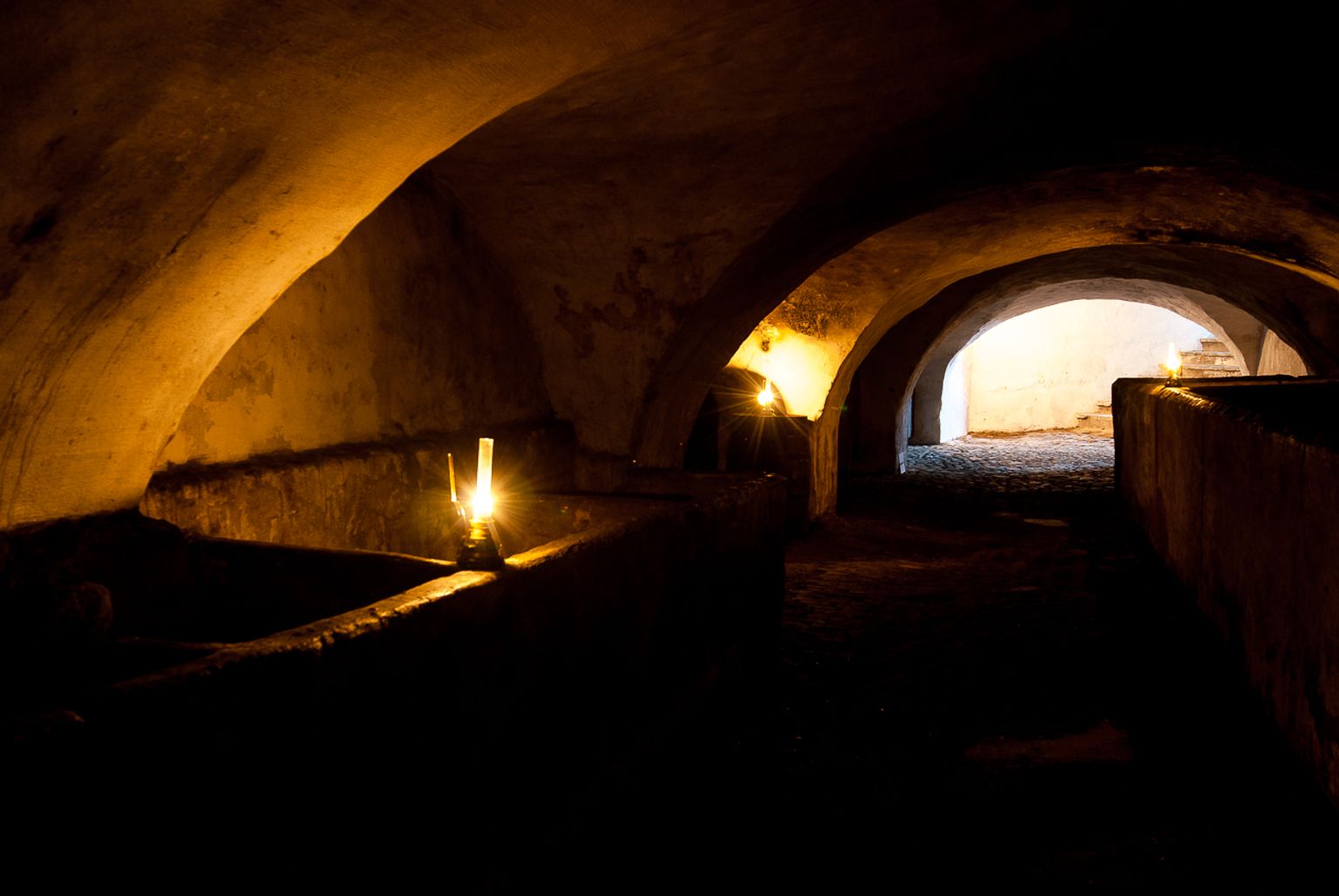
Deep in the casemates beneath Kronborg, at the end of the long, dark vaulted corridors that once housed soldiers and stored gunpowder, sits the statue of Holger the Dane. The casemates are cool and dimly lit, and the walk through them builds a sense of anticipation before the figure comes into view.
The statue shows Holger exactly as the legend describes: seated, armored, his head bowed and his great beard resting on the stone table before him. He is massive, broad-shouldered and still, radiating a sense of dormant strength. It is not difficult to understand why the image has endured for centuries.
Visiting the statue in the casemates is one of the most memorable parts of a trip to Kronborg. Not just as a cultural curiosity, but as a genuinely atmospheric experience. The combination of the legend, the setting, and the sheer physical presence of the figure makes it a very unique experience.
Visit the Home of Holger 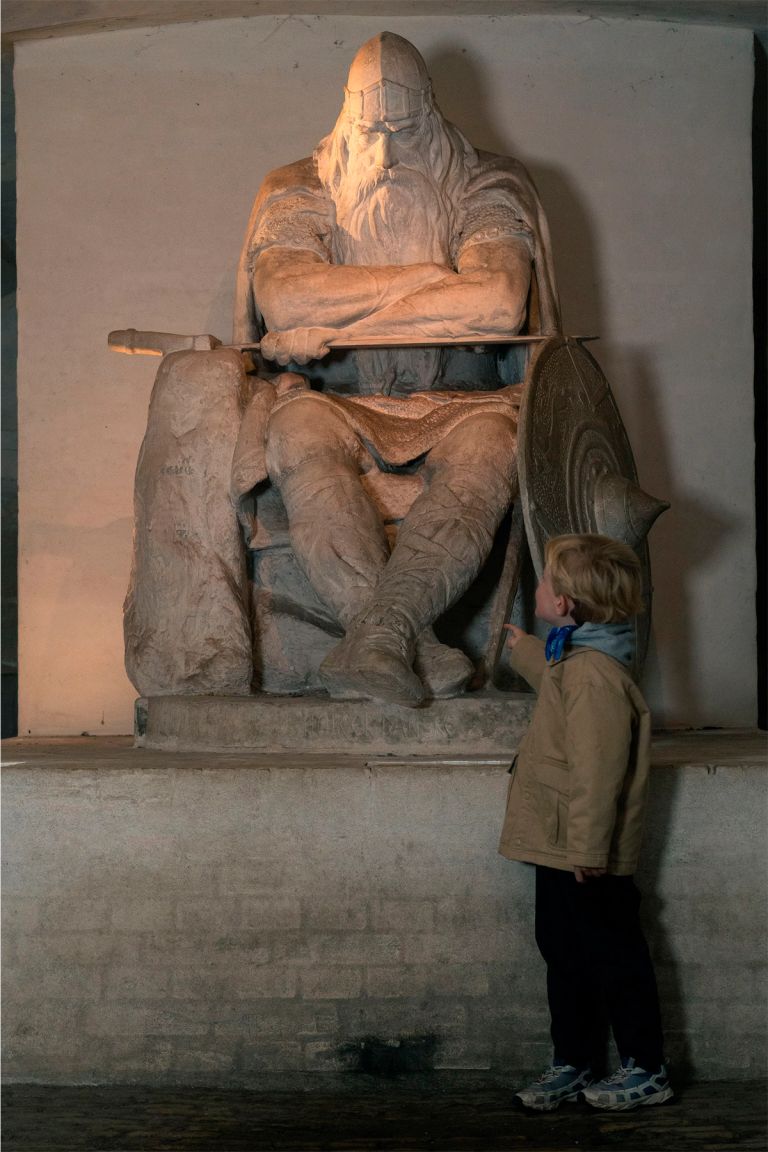
The Danish Giant
But is he even danish?
Holger the Dane is a legendary figure rooted in European history and folklore and his origins are, in fact, not Danish at all. He first appears in medieval French chansons de geste as Ogier the Dane (Ogier le Danois), a powerful warrior and knight at the court of Charlemagne. In these early legends, Ogier is a formidable fighter who battles both Saracens and fellow knights with equal ferocity. He is proud, stubborn, uncompromising and a figure of raw heroic force.
According to the old French legends, Ogier was carried off by a fairy to the enchanted island of Avalon, where he sleeps in an eternal slumber, waiting to be called upon again in a time of great need. This motif of the sleeping hero who will return is one of the oldest archetypes in European mythology, shared by figures such as King Arthur and the German emperor Frederick Barbarossa.
Over centuries, the legend migrated northward. By the time it reached Scandinavia, Ogier had been transformed into Holger the Dane who is no longer a French knight, but a Danish national hero. The stubborn warrior who refused to bow to Charlemagne became a symbol of Danish independence and resilience. The legend found its most powerful home in Denmark, even if it was born elsewhere. The legend of Holger the Dane then got popularized by a the famous danish writer H. C. Andersen.
Read more about the historical Holger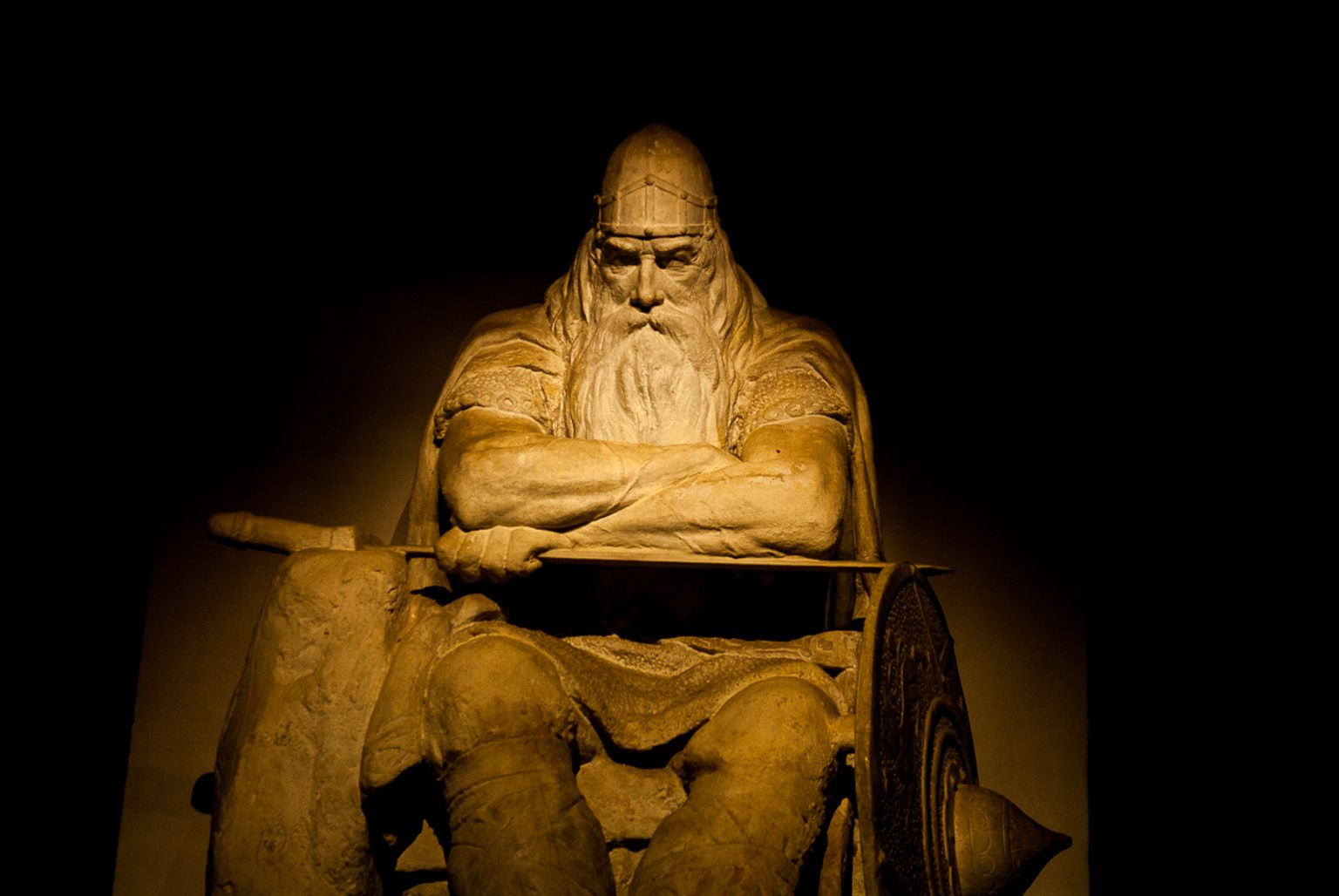
The tale of a hero
Holger is coming to Denmark
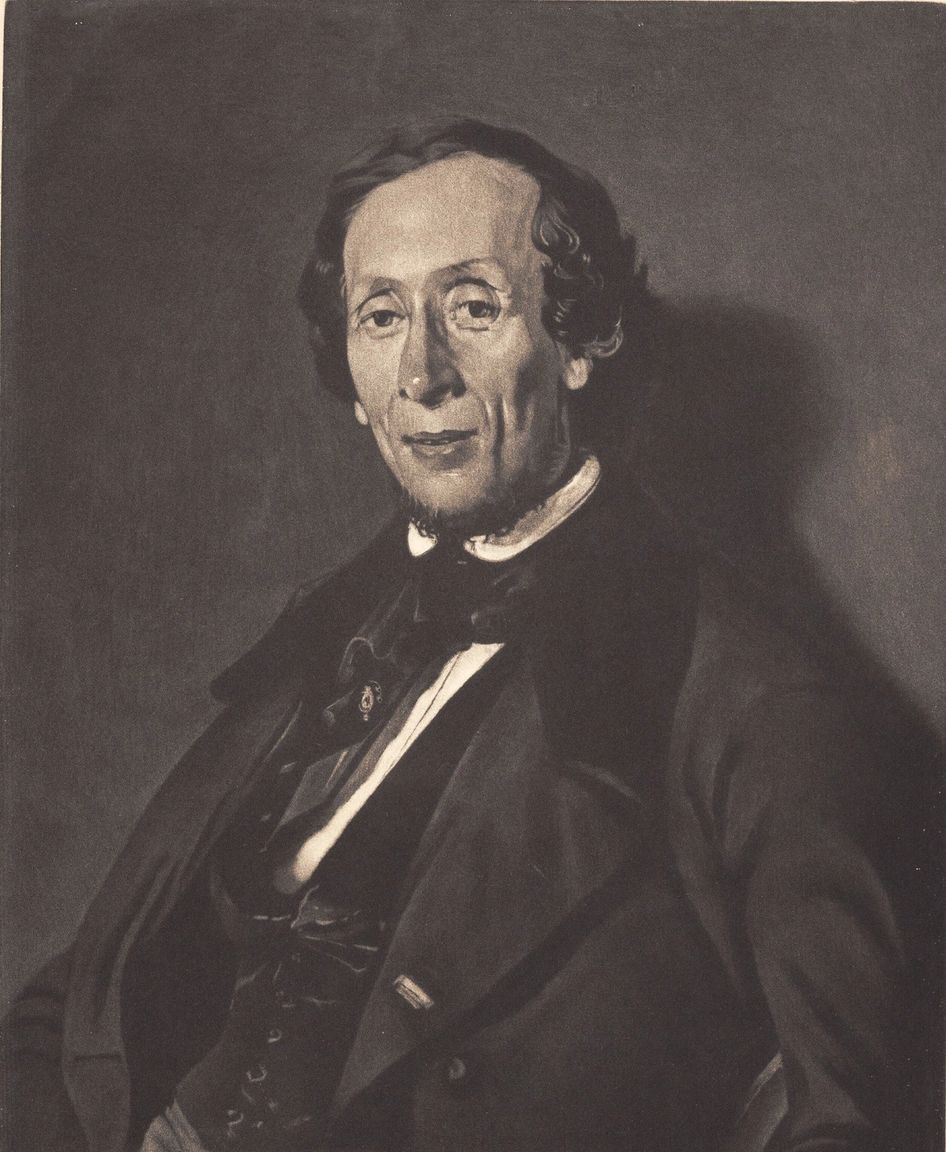
Although the tales of Holger the Dane date back to the Middle Ages, it was H.C. Andersen who, in the mid-19th century, made the legendary hero a central figure in Danish culture. In his fairy tale from 1846, Andersen placed Holger Danske in the casemates beneath Kronborg Castle and cast him as the protector of Denmark, who would awaken to defend the fatherland if it were ever in danger. H.C. Andersen's version gave the legend new strength and turned Holger the Dane into the powerful symbol we recognize today.
Resistance and war
A symbol is brought to life
During World War II, one of the largest groups of the resistance movement was inspired by the strong symbolic significance of Holger, adopting the name Holger Danske. The group fought fiercely against the German occupation, risking their lives to protect the country, Danish values, and innocent lives.
Visit the Freedom Museum and learn more about the Danish resistance movement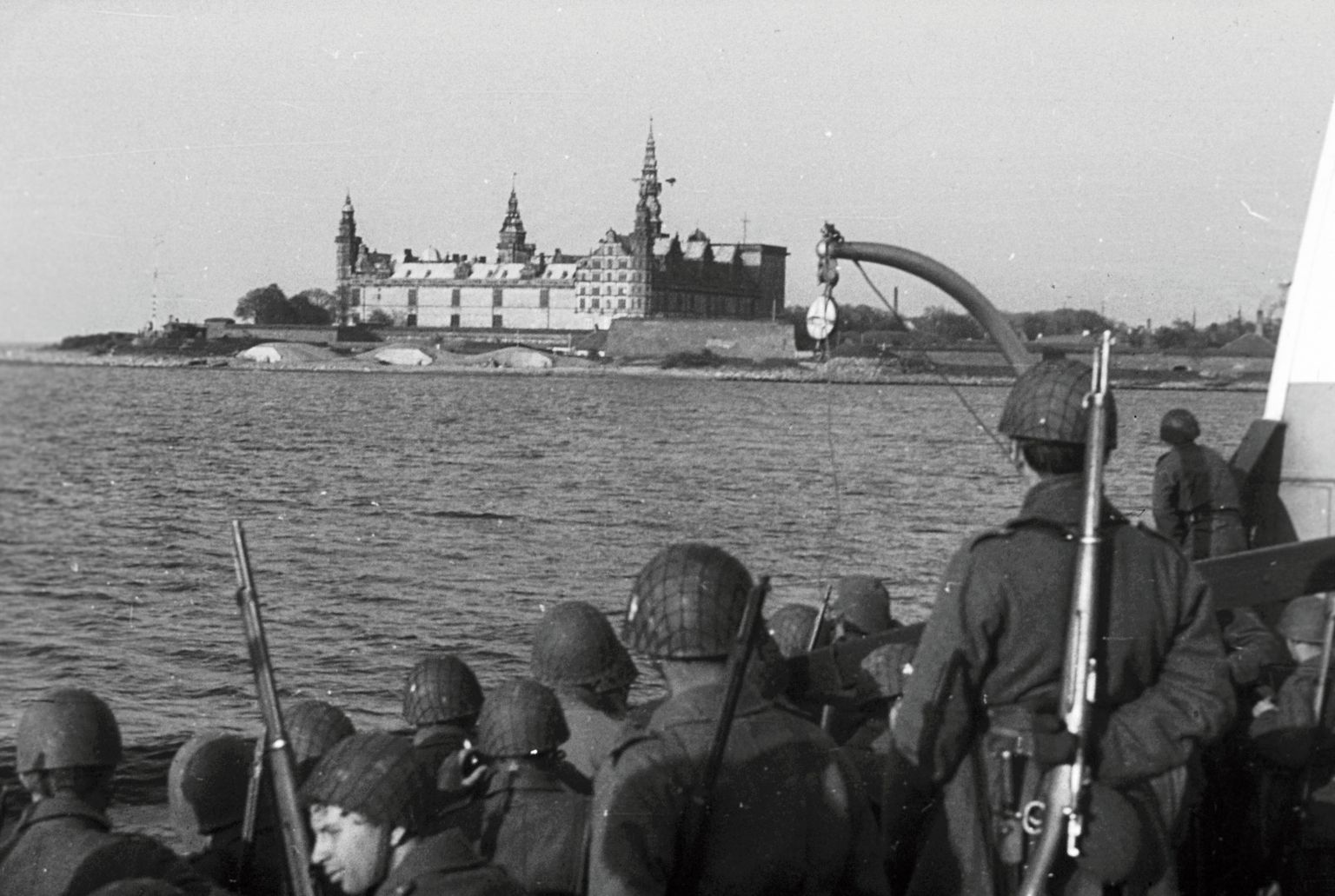
What is Holger the Dane made of?
The casting underground
The large statue of Holger the Dane in the casemates is a cast of the original bronze statue made by the Danish sculptor H. P. Pedersen-Dan in 1907. The cast of the statue of Holger the Dane was first made in plaster, but since the humidity in the casemates is very high, the plaster could not withstand it. The statue of Holger the Dane that you visit down in the casemates today was therefore made of concrete in 1985.
Visit the Home of Holger
Article
Who is Holger the Dane?
Discover the castle
Article
Discover Elsinore
Article
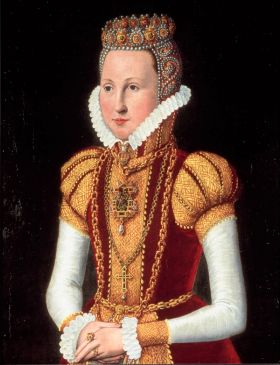
Who is Queen Sophie?
Kings & Queens