What is Kronborg Castle?
1400today
- Building
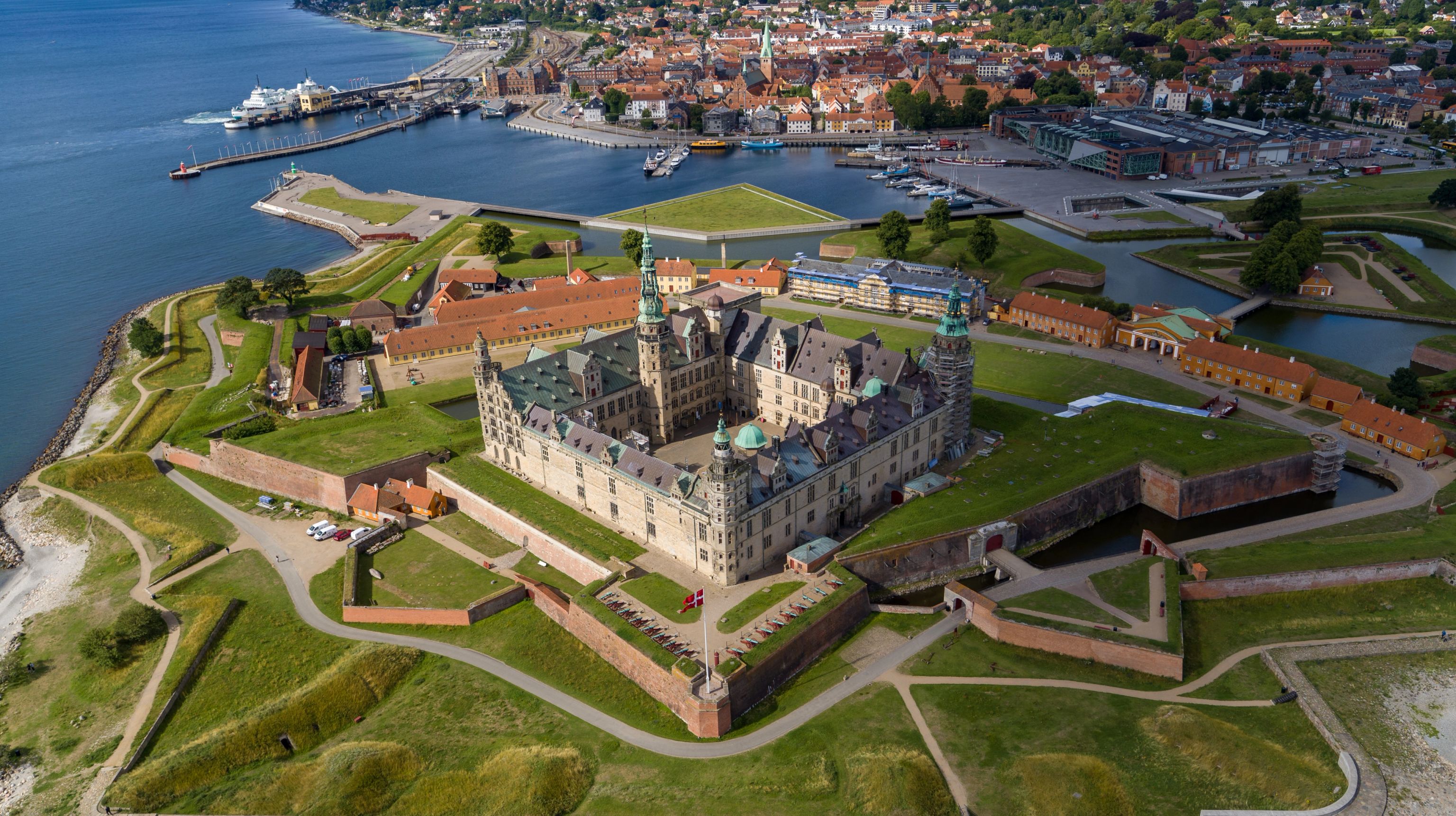
- Frederick II built Kronborg Castle during the period 1574–1585. The castle was intended to be both a strong fortress and a suitable home for the growing royal family.
- The great fire
- In 1629, the castle was hit by a massive fire that destroyed most of the interior. Christian IV rebuilt his parents' old magnificent castle.
- Swedish occupation
- In 1658, Kronborg was occupied and plundered by the Swedish king, Charles X Gustav, during one of the many wars between Denmark and Sweden. It was not until 1660 that the castle was returned to Denmark after pressure from European powers.
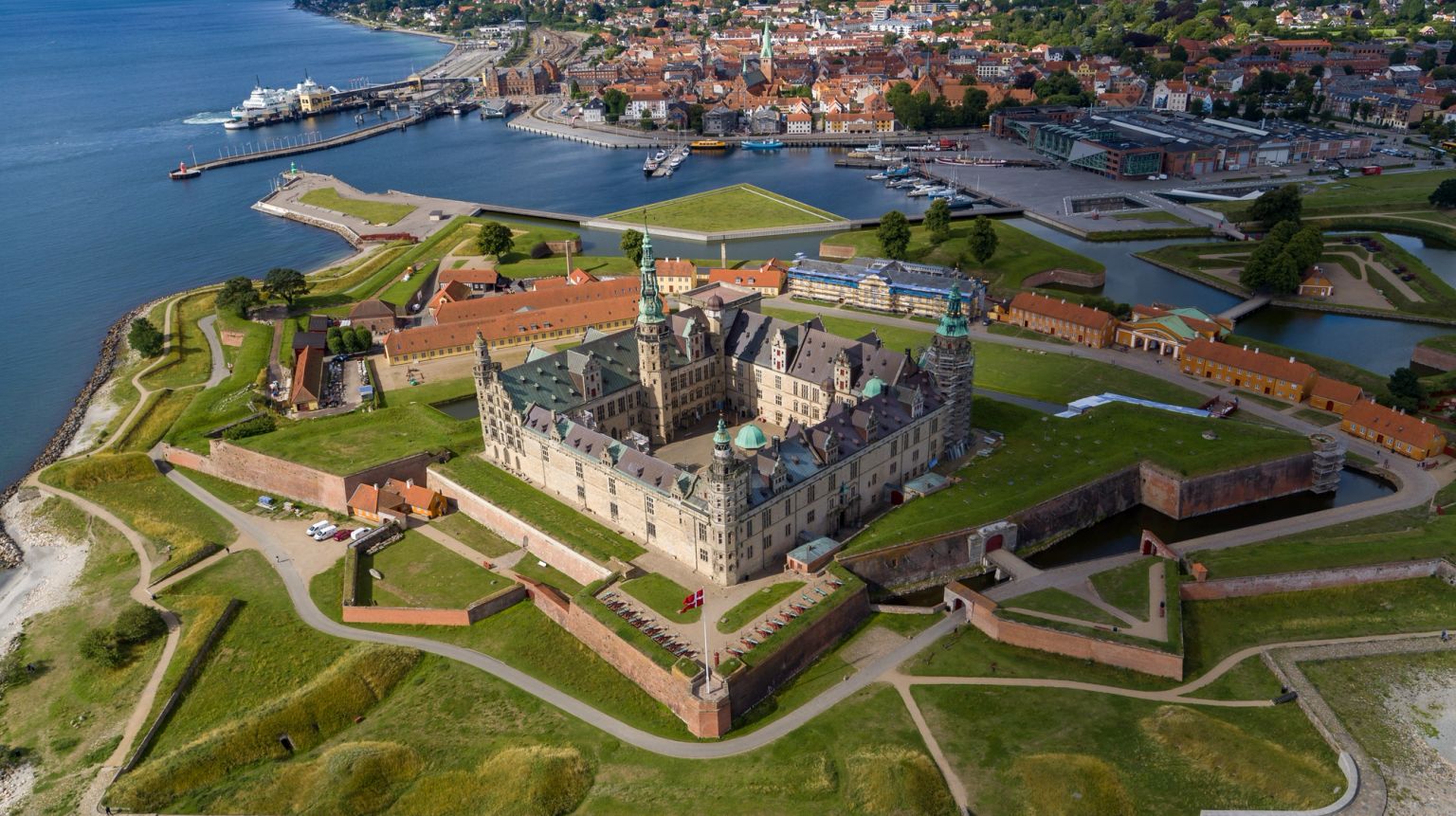
For more than 400 years, Kronborg has stood as a symbol of past power and wealth. Danish kings have held wild celebrations here, collected tolls, and fought against the kingdom’s enemies. Kronborg Castle is widely considered one of Europe's most important and best-preserved Renaissance castles. An architectural gem, perfectly situated at the gateway to the Baltic Sea.
Krogen before Kronborg
Kronborg through the ages
When was Kronborg Castle built?
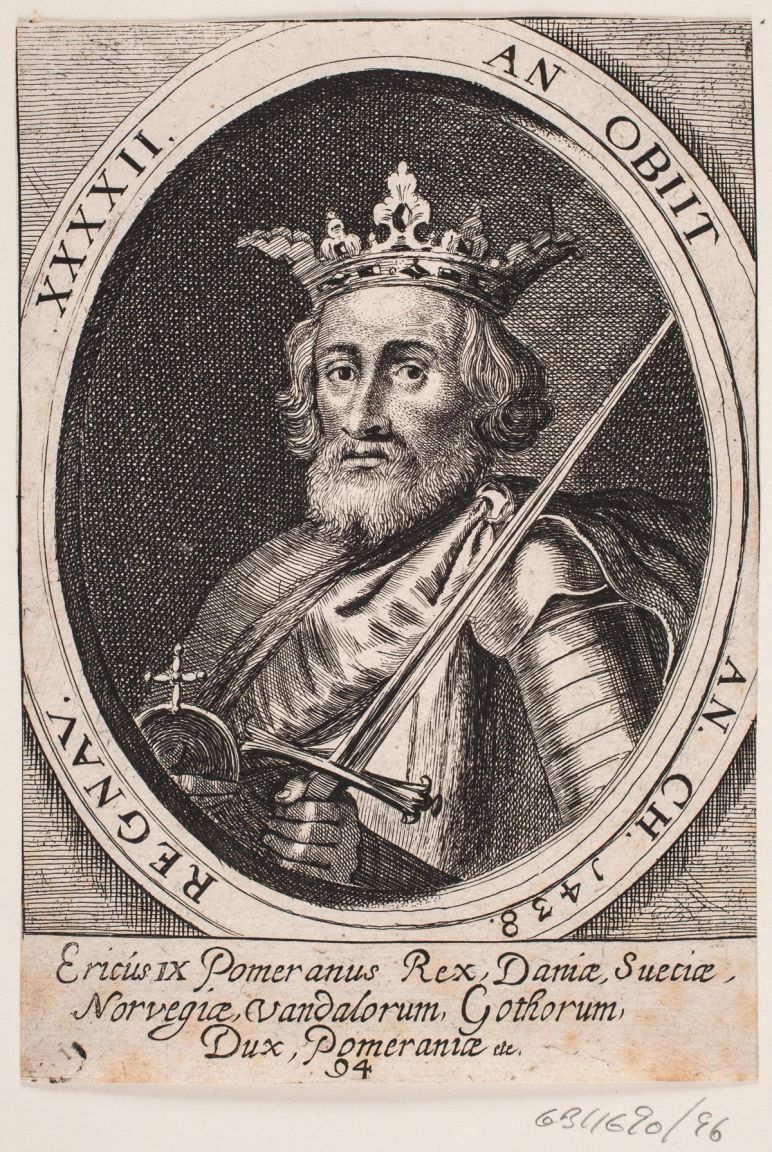
Already at the beginning of the 15th century, Eric of Pomerania constructed the fortress Krogen - the foundation for what would later become Kronborg. Krogen was not a royal residence but a strategic fortification, designed to secure Denmark control over all maritime traffic between the North Sea and the Baltic. Denmark considered the sound to be internal waters and could control both customs and foreign access through Krogen. For over a century, Krogen served its purpose.
The Sound tolls
The king's money machine
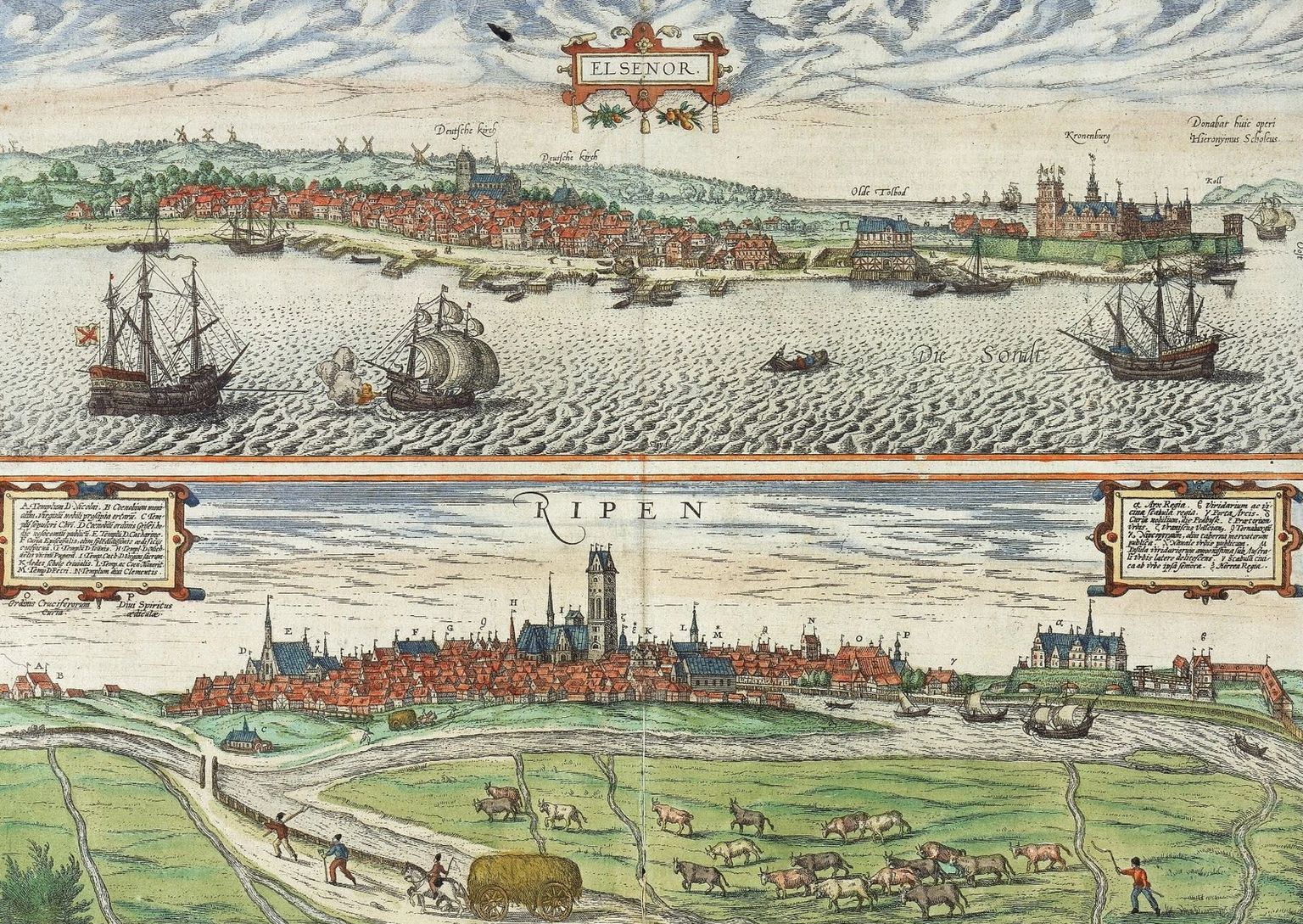
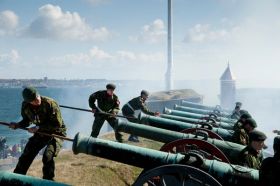
For over 400 years - from the 15th century until 1857 - the Sound toll was collected at Kronborg. With the castle's cannons aimed at the ships, the seafarers had no choice but to pay. The toll revenues went directly into the king's treasury and financed both the castle and other royal projects.
To build a Masterpiece
White walls and golden towers
In 1574, King Frederick II replaced the old fortress of Krogen with a magnificent Renaissance castle designed to showcase the power and wealth of the Danish kingdom. Midway through construction, he changed his plans, covering the red brick walls with costly white sandstone from Scania and Gotland, while copper roofs and gilded spires transformed Kronborg into one of Europe's most spectacular castles.
Just a few decades later, a devastating fire swept through the castle. King Christian IV ordered it rebuilt almost immediately, creating the Kronborg Castle you see today. As one of Europe's best-preserved Renaissance castles, it still stands proudly at the entrance to the Øresund, guarding the same strategic waters where Danish kings projected their power more than 600 years ago.
Home of Hamlet
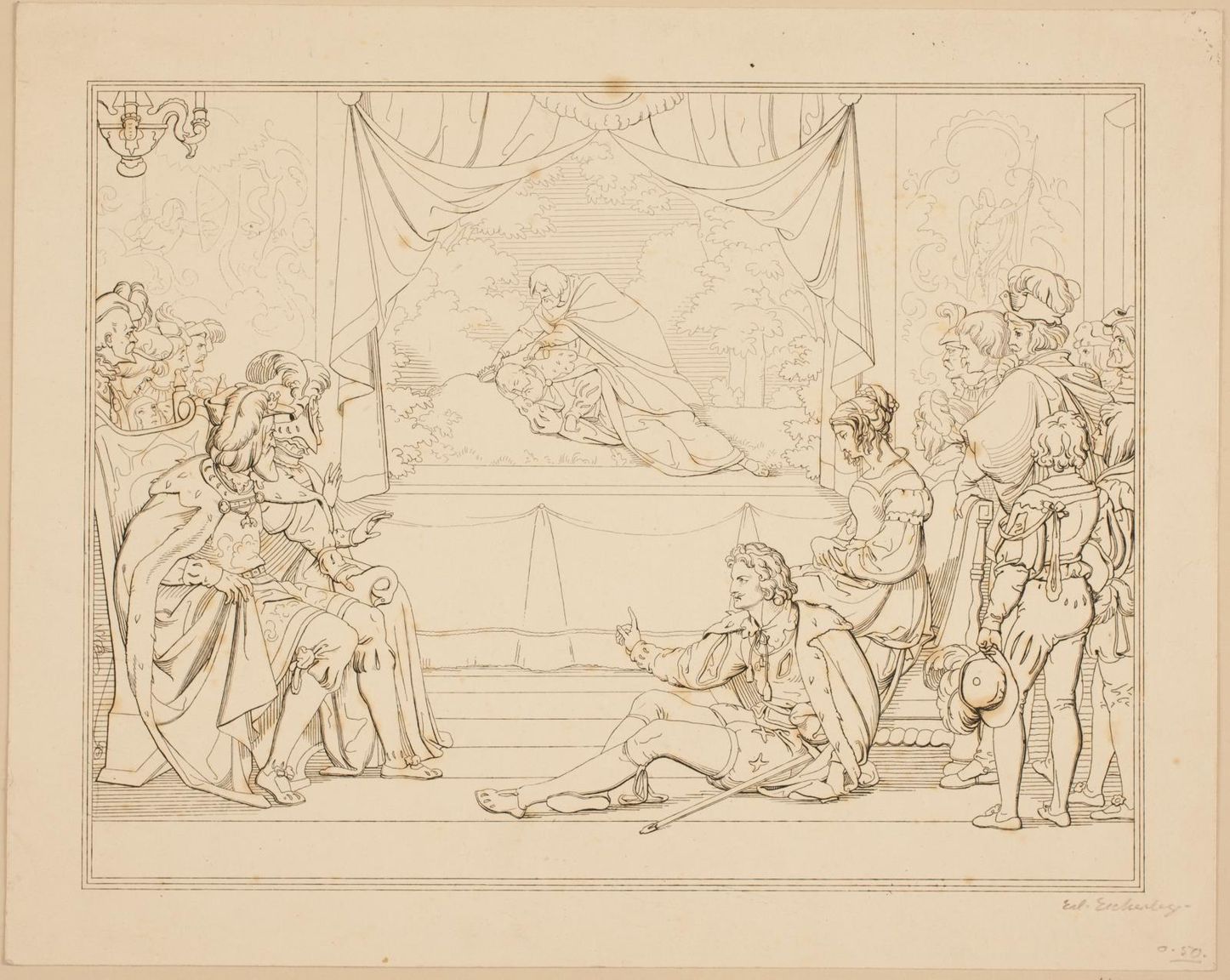
Hamlet's Castle
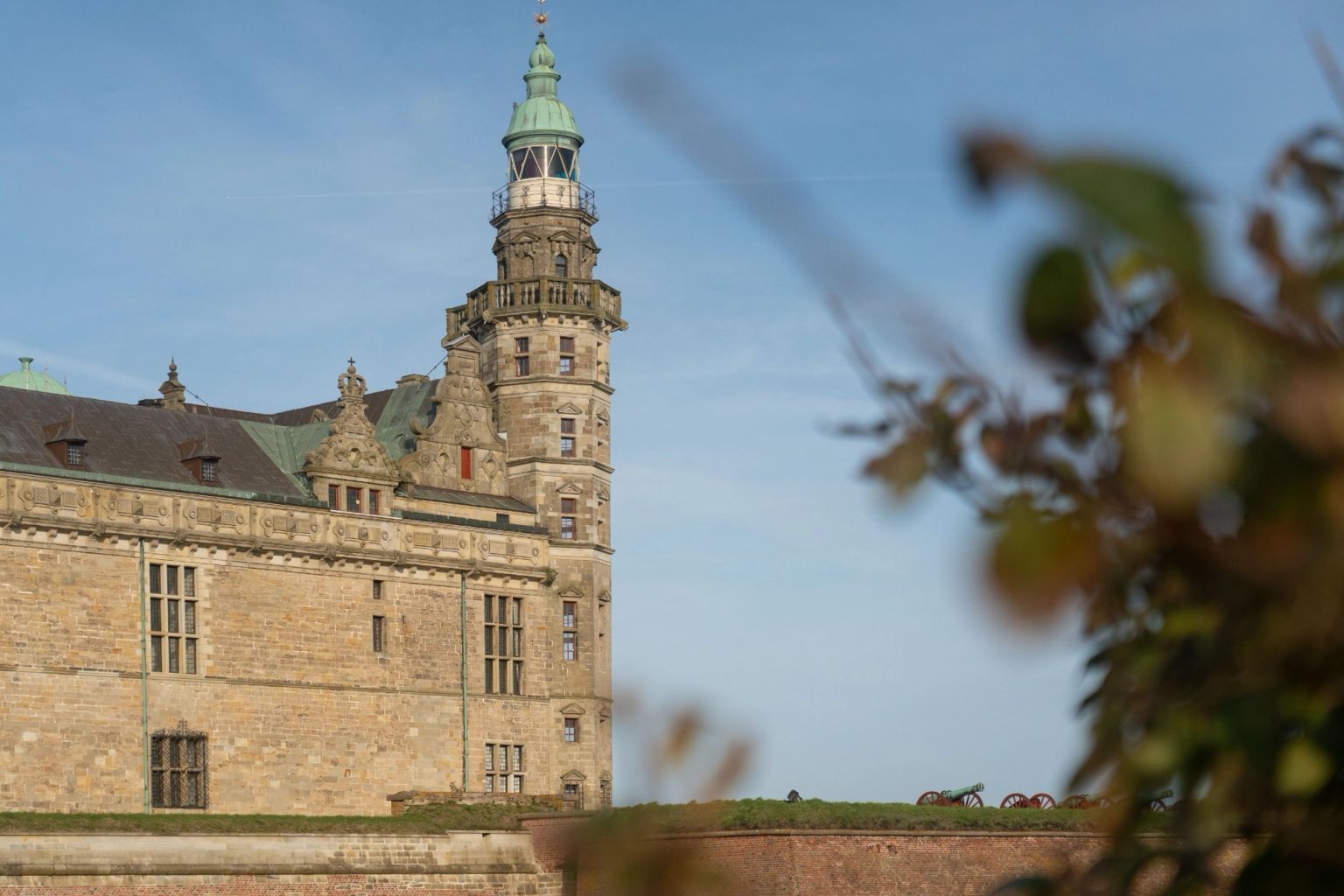
Shakespeare’s Hamlet unfolds at Elsinore – the legendary castle inspired by Kronborg Castle in Helsingør, Denmark. Today, Helsingør is one of Northern Europe’s best-preserved historic harbour towns, and Kronborg remains the world-famous home of Hamlet.
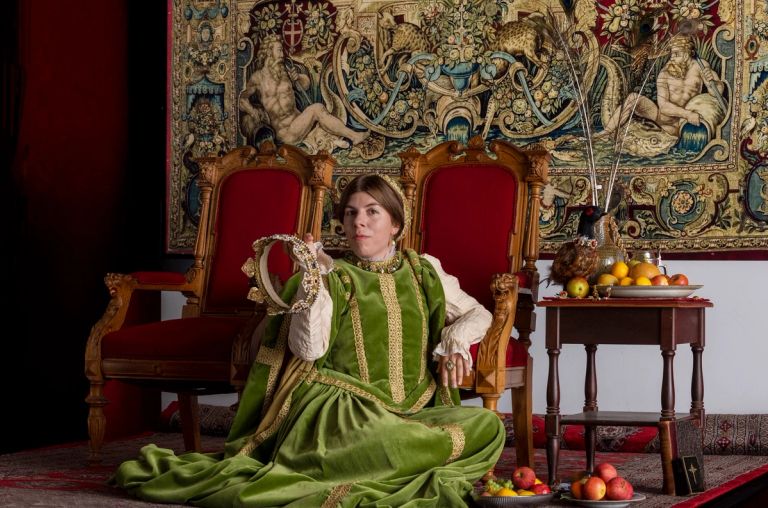
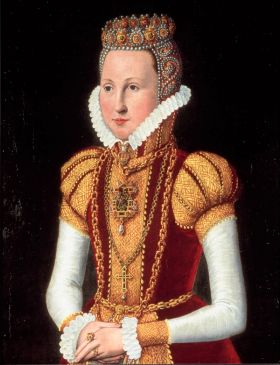
It is said that Shakespeare drew inspiration from stories of life at the Danish court, told by actors who had performed at Kronborg for King Frederick II and Queen Sophie. Tales of royal intrigue, political ambition and extravagant celebrations found their way into one of the world's greatest dramas.
Every year, visitors from around the world come to Kronborg Castle to experience the setting that made Hamlet immortal. As you explore the castle today, you walk through the very halls that inspired Shakespeare's legendary Elsinore.
Discover the story of Hamlet's castleKronborg - A UNESCO World Heritage Castle in Denmark
A world-class castle
In 2000, Kronborg was inscribed on UNESCO's World Heritage List as one of only a handful of Danish sites to receive this distinction. The designation recognized not only the castle's architectural and historical significance, but also its unique cultural role. Kronborg is among the very few World Heritage Sites whose international fame is tied as much to literature as to history, as it inspired Shakespeare to set his world famous play, Hamlet, at the castle Elsinore inspired by Kronborg.
UNESCO's assessment highlighted Kronborg's importance as a symbol of Danish power during the Renaissance, its exceptional state of preservation, and its strategic position at the gateway to the Baltic Sea that shaped centuries of European trade and maritime history. The Sound Toll, collected at Kronborg from the 15th century until 1857, made this one of the most economically significant points in Northern Europe. Kronborg is a living monument that continues to host performances, events, and visitors from across the world.
Today, Kronborg is considered one of Europe's best-preserved Renaissance castles, and its UNESCO status reflects a recognition that extends far beyond Denmark's borders.
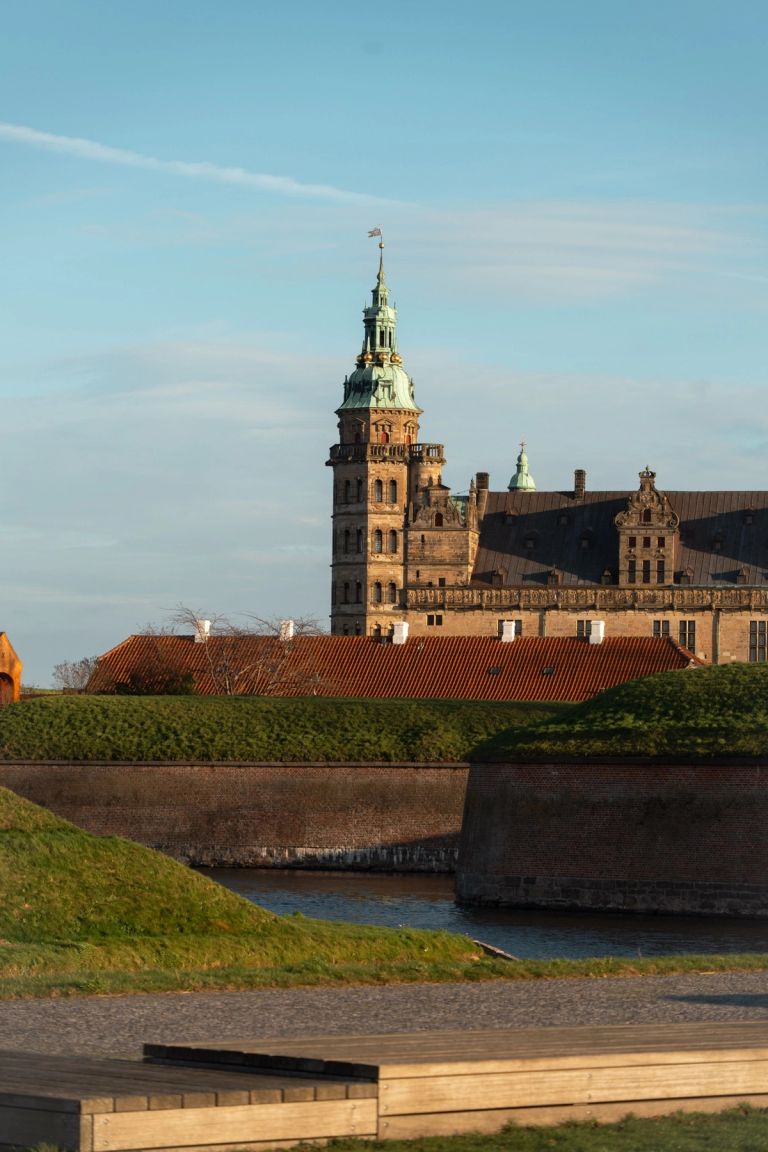
Facts about Kronborg Castle
Where is it located?
Helsingør (Elsinore), Denmark — at the narrowest point of the Øresund strait.When is it build?
Original fortress (Krogen): early 1400s. Current castle: 1574–1585. Rebuilt after fire: 1629–1639 under King Christian IV.What is the architectural style?
Northern RenaissanceWhat is the castles UNESCO status?
Listed as a World Heritage Site in year 2000.What is the sound toll?
A toll collected by the passing ships at Kronborg from the 15th century until 1857.What is the connection to Shakespeare?
Kronborg Castle is the setting for William Shakespeare's Hamlet (written c. 1600–1601). The first Hamlet performance was performed at Kronborg for the first time in 1816.
Experience the great castle
Article
Discover Elsinore
Article
What is a cannon salute?
Discover the castle

Article
Who is Queen Sophie?
Kings & Queens